CLP, Toxicology Centres, SMDS & Exposure Scenarios
Comprehensive solutions for compliance with European regulations on classification, labelling and packaging of hazardous substances and mixtures.
Our Regulatory Services
Experts in toxicology and regulation at the service of the chemical and pharmaceutical industry
CLP Regulation
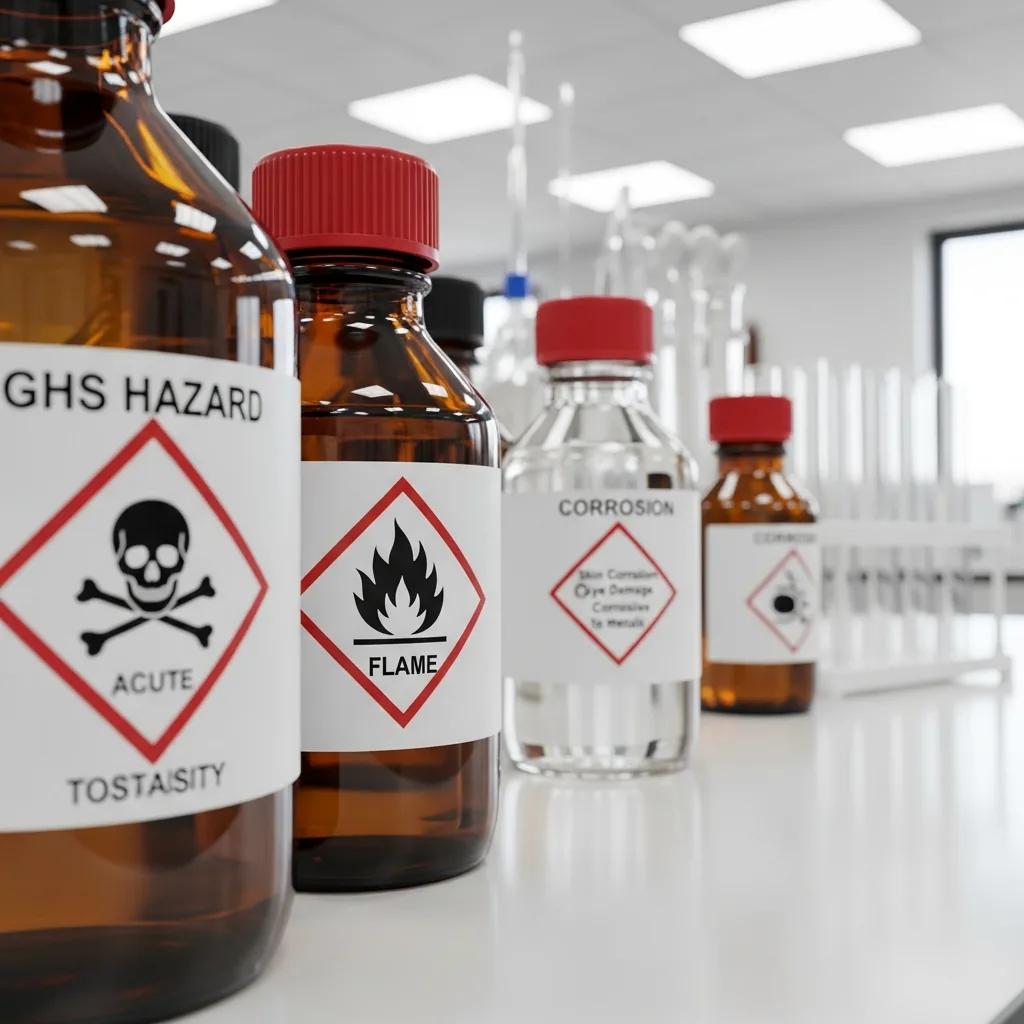
The CLP Regulation ensures that workers and consumers in the European Union are clearly informed about the hazards of chemicals through classification and labelling. The system is based on the United Nations' Globally Harmonised System (GHS).
REACH Monitor offers comprehensive CLP regulatory compliance services, including:
- Collection and evaluation of available toxicological data
- Evaluation of the toxicological profile of substances and mixtures
- Classification and labelling according to harmonised criteria
- Support during CLH evaluations
- Intelligent Testing Strategies (ITS)
- C&L notification of substances to ECHA
- Request for alternative chemical names in mixtures

Notification to Toxicology Centres
Article 45 of the CLP Regulation establishes that certain hazardous mixtures must be notified to the toxicology centres of the Member States where they are marketed. Annex VIII sets out harmonised requirements for this critical information for emergency health response.
Our specialised services include:
- Assessment of the client's portfolio to identify legal obligations
- Collection, evaluation and selection of data for notification
- Notification to various European Centres according to national systems
- CLP notification in PCN format via the ECHA portal
- Update of existing notifications
- Regulatory consultancy and audit services
Safety Data Sheet Creation Service
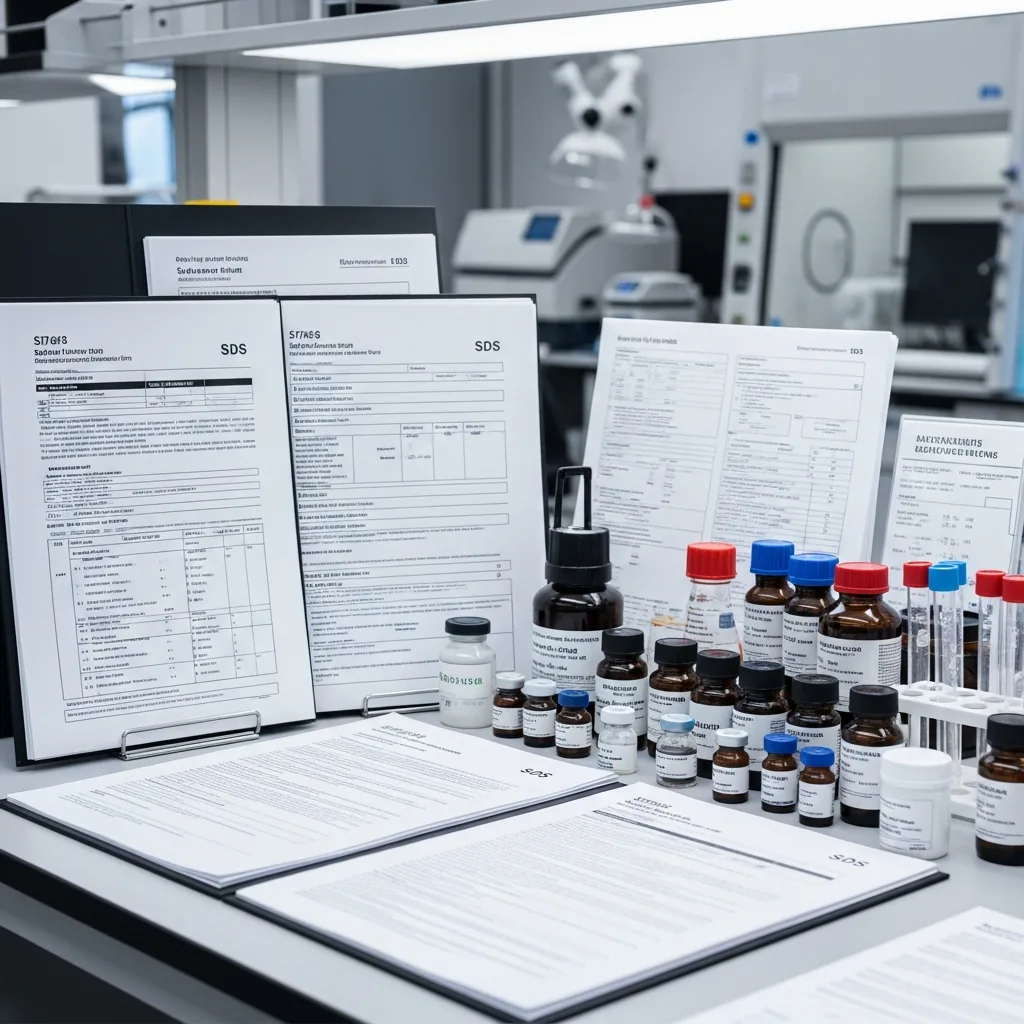
Safety Data Sheets (SDS) are essential documents containing information on hazards, safe handling and emergency response for chemical substances and mixtures. They must be supplied in the official language of each Member State where the product is marketed.
REACH Monitor has developed its own software to prepare and translate SDS, allowing rigorous control over the origin and quality of information. Our services include:
- Collection, evaluation and selection of data for the SDS
- Complete preparation of SDS for substances and mixtures
- Professional translation into all European languages
- Periodic update in line with regulatory changes
- Conformity verification of existing SDS
- Review of SDS provided by suppliers
REACH Monitor is certified as an SDS verification company by FEIQUE (Spanish Chemical Industry Business Federation).
Request a Quote
Exposure Scenarios (ES)
Exposure Scenarios are a fundamental component of the Annex I of the extended Safety Data Sheet (eSDS). All substances registered under REACH that require a chemical safety report (CSR) must include this information.
When downstream users receive ES, they must verify that they cover their own use and conditions. Otherwise, they could be responsible for developing their own exposure scenario.
REACH Monitor offers specialised services:
- Evaluation of available data in the CSR
- Preparation of ES for substances and mixtures
- Translation into official European languages
- Verification of regulatory conformity
- Coverage verification for users
- Verification of conditions between ES and real situation
Our own software for preparing and translating ES is based on the standard phrase catalogue of ESCom.
Request AdviceFrequently Asked Questions
Answers to the most common questions about CLP regulation and safety documentation
What exactly is the CLP Regulation?
The CLP Regulation (Classification, Labelling and Packaging) or Regulation (EC) No 1272/2008 is the European regulation governing the classification, labelling and packaging of chemical substances and mixtures. It is based on the United Nations' Globally Harmonised System (GHS) and ensures that the hazards of chemicals are clearly communicated to workers and consumers through standard symbols and phrases on labels and safety data sheets.
When is notification to toxicology centres mandatory?
Notification to toxicology centres is mandatory for mixtures classified as hazardous due to their effects on health or physical effects under Article 45 of the CLP Regulation. Implementation deadlines vary by end use: consumer products (from January 2021), professional use (from January 2021) and industrial use (from January 2024). It is important to note that this obligation applies in each country where the product is marketed.
What is the difference between an SDS and an extended SDS (eSDS)?
A standard Safety Data Sheet (SDS) contains 16 sections with information on hazards, composition, handling, storage and emergency measures. An extended SDS (eSDS) additionally includes one or more exposure scenarios as annexes. These scenarios describe the operating conditions and risk management measures that ensure safe use of the substance throughout its lifecycle. eSDS are mandatory for substances registered under REACH in quantities ≥10 tonnes/year that are classified as hazardous.
What responsibilities do downstream users have when receiving exposure scenarios?
When a downstream user receives exposure scenarios, they must verify whether their use and conditions of use are covered. If they are, they must implement the recommended risk management measures. If not, they have several options: adapt their use conditions to fit the scenario, ask the supplier to include their specific use, find another supplier covering their use, substitute the substance with a safer alternative, or carry out their own chemical safety assessment and notify ECHA. This verification must be completed within 12 months of receiving the eSDS.
How often must SDS and PCN notifications be updated?
SDS must be updated as soon as new information is available that may affect risk management measures or new hazards, when an authorisation is granted or refused, or when a restriction is imposed. For suppliers who have already supplied the substance or mixture, the updated SDS must be provided within 12 months. Regarding PCN notifications, they must be updated when the mixture composition, product identifier, hazard classification changes or new relevant toxicological information becomes available. An update is also required when the UFI (Unique Formula Identifier) changes.